I’ve submitted my music to playlist curators more times than I can count. Some ignored me. Some said no. And some said yes — and those placements changed the trajectory of my tracks on Spotify.
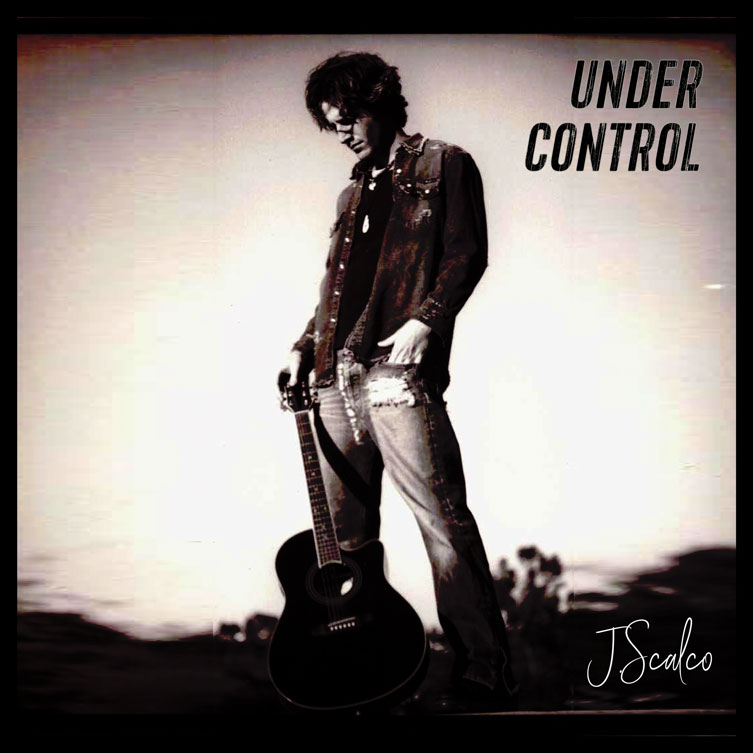
Getting onto curated playlists is still one of the most effective ways for an independent artist to grow streams and reach new listeners. But the landscape has changed a lot since I first started pitching my singles like The Fire and Under Control. The curators who mattered five years ago aren’t necessarily the ones who matter now. Submission platforms have evolved. And the strategy behind a successful pitch is way more nuanced than just blasting your SoundCloud link to a list of emails.
Here’s everything I’ve learned about Spotify playlist curators — which ones are actually worth submitting to, how to approach them, and what I’d do differently if I were starting from scratch today.
What is a Spotify Playlist Curator?
A Spotify playlist curator is someone who builds and maintains playlists on Spotify. There are three types, and understanding the difference matters for your submission strategy:
Spotify’s editorial team — these are employees at Spotify who manage the platform’s official playlists like RapCaviar, New Music Friday, and Today’s Top Hits. These playlists have millions of followers and getting on one can be career-changing. You submit to these through Spotify for Artists directly — I’ll cover that process below.
Independent curators — these are regular Spotify users or music enthusiasts who’ve built playlists with real followings, sometimes into the hundreds of thousands. They’re not paid by Spotify. They do it because they love music, and many of them accept submissions from independent artists. This is where most indie artists should focus their energy.
Algorithmic playlists — Discover Weekly, Release Radar, and your personalized Daily Mixes. You can’t submit to these directly, but here’s what I’ve noticed from tracking my own Spotify for Artists data: when you land on a curated playlist and listeners engage with your track (saving it, adding it to their own playlists, listening all the way through), Spotify’s algorithm picks up on that activity and starts pushing your song into more algorithmic playlists. Curated placements feed algorithmic placements. That’s why this matters so much.
Spotify Playlist Curators You Can Submit to for Free
I’ve personally used or researched every curator and platform on this list. I’m only including ones that have real listeners, are currently active, and actually accept free submissions. I’ve seen too many lists that send artists to dead links or pay-to-play schemes — that’s not what this is.
A note before you start: your music needs to be already live on Spotify before you submit to independent curators. If you haven’t distributed your track yet, check out my music distribution guide first. And make sure your metadata is clean — curators notice sloppy tagging.
Submission Platforms (Submit to Multiple Curators at Once)
These platforms connect you with dozens or hundreds of curators through a single submission. They’re the most efficient way to get your music in front of playlist makers.
SubmitHub
This is the platform I’ve used the most. SubmitHub connects artists directly with curators, blogs, and influencers. The free tier gives you a limited number of “standard” credits — curators have 48 hours to listen but aren’t required to give feedback. The premium credits (about $1-2 each) guarantee a listen and written feedback within 48 hours.
My honest take: the free credits are worth using, but the response rate is low. Premium credits at least guarantee someone actually listens. I’ve had tracks accepted and rejected on both tiers. The feedback from rejections is sometimes more valuable than the placements — it tells you how curators perceive your music.
Submission link: submithub.com/submit
Soundplate
Soundplate runs a large directory of Spotify playlists organized by genre. You can browse playlists, see their follower counts, and submit directly. It’s free and the interface is straightforward. I like that you can filter by genre and playlist size so you’re not wasting time submitting a country track to an EDM playlist.
Submission link: play.soundplate.com
Daily Playlists
Daily Playlists is a free submission platform that routes your track to curators based on genre matching. The process is simple — submit your Spotify link, select your genre, and they handle the distribution to relevant curators. Response times vary, but I’ve found them to be one of the more responsive free options.
Submission link: dailyplaylists.com/submit-song/add-song
Independent Curators (Submit Directly)
These are individual curators or small teams who run their own playlists and accept direct submissions. The advantage here is that you’re building a direct relationship with the person who controls the playlist — and that relationship can pay off across multiple releases.
Indiemono
Indiemono is one of the more established independent curators, based out of Spain. They manage multiple playlists with a combined following of over 100,000 listeners across genres including indie, alternative, R&B, pop, EDM, folk, and Latin music. They’ve been around for years, which in the curator world means they’re legitimate and consistent.
Submission link: indiemono.com
For The Love Of Bands
This curator focuses on indie and alternative music and runs both a blog and playlist operation. What I appreciate about them is that a playlist placement often comes with a written feature on their blog — so you get two forms of exposure from a single submission. Their playlists have engaged followings, not inflated bot numbers.
Submission link: fortheloveofbands.com/submit
Soave Records
Soave specializes in chill, lofi, and electronic-leaning music. If your sound lives in that world, they’re worth submitting to. They operate as both a label and curator, so a good relationship here could open doors beyond just playlist placement.
Submission link: soaverecords.com/playlists
The Current — J. Scalco’s Indie Playlist
Full transparency — this is my own playlist. I started The Current to support indie artists and give emerging musicians a platform. I know firsthand how hard it is to get curators to even listen, so I built something where I could help. If you make indie, alternative, or pop music, submit your track and I’ll give it a genuine listen.
Submission link: jscalco.com/the-current-indie-spotify-playlist
How to Submit to Spotify’s Editorial Playlists Directly
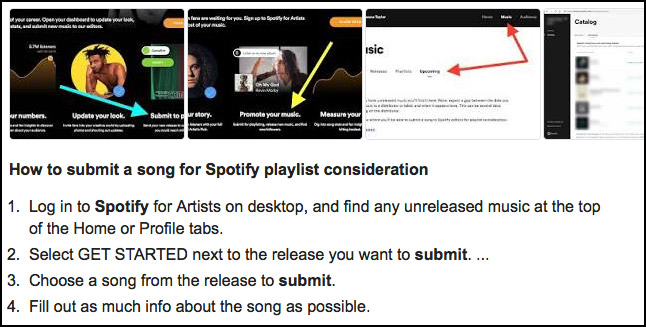
Most artists don’t realize you can pitch directly to Spotify’s in-house editorial team — for free — through Spotify for Artists. This is separate from submitting to independent curators, and it’s something every artist should do for every release.
Here’s the process I follow:
- Upload your track to your distributor at least 3-4 weeks before release. Spotify needs your track in their system before you can pitch it. I use DistroKid, and tracks typically show up in Spotify for Artists within a few days of upload.
- Go to Spotify for Artists and find the unreleased track. Navigate to the “Music” tab and you’ll see your upcoming release with a “Pitch a Song” button.
- Fill out the pitch form thoughtfully. Spotify asks for genre, mood, instruments, and a short description. This is your one shot to tell the editorial team why your track matters. Don’t waste it with “this is a great song.” Tell them the story behind it, what inspired it, what’s unique about the sound.
- Submit and wait. You won’t hear back unless they place you. If your song lands on an editorial playlist, you’ll see it in your Spotify for Artists dashboard. If it doesn’t, there’s no rejection notice — it just doesn’t appear.
I’ll be honest: landing on a major editorial playlist is extremely competitive. Spotify receives thousands of pitches every day. I haven’t cracked RapCaviar or New Music Friday. But the pitch itself still has value — Spotify uses the information you submit to inform Release Radar and other algorithmic recommendations for your existing followers. So even if you don’t get an editorial placement, the pitch helps your release reach the people already following you.
My Playlist Submission Strategy: What Actually Works
After years of submitting music across all these platforms, here’s the approach I’ve refined:
Time Your Submissions Around Your Release
Don’t submit your track the day it drops. Start pitching to independent curators 1-2 weeks before release (if your distributor allows early links) or within the first 48 hours of release. The first week is critical — early streaming activity signals to Spotify’s algorithm that your track has momentum. Playlist placements during that window amplify everything.
For Spotify editorial pitches, submit as soon as the track appears in Spotify for Artists — ideally 3-4 weeks before release. The editorial team works ahead of schedule.
Target the Right Size Playlists
This is something I wish I’d understood earlier. When I first started, I only chased big playlists — 100K+ followers. The acceptance rate was brutal.
What I’ve found works better: target playlists in the 1,000 to 30,000 follower range. These curators are more responsive, more likely to actually listen, and their audiences tend to be more engaged. A playlist with 5,000 genuine followers who actually listen is worth more than a 200,000-follower playlist full of inactive accounts.
After you’ve built up some traction on smaller playlists, the bigger curators start paying attention. Curators talk to each other, and they check whether a track already has social proof.
Personalize Every Pitch
I cannot stress this enough. Curators can smell a mass-blast submission from a mile away. Before you submit, actually listen to their playlist. Reference a specific track on it. Explain why your song fits alongside what they’ve already curated. Something like: “I noticed you’ve got [artist name] on your playlist — my track has a similar production style but with [your unique angle].”
This takes more time. It’s worth it. My acceptance rate went up noticeably when I stopped sending the same generic pitch to every curator.
Keep Records of Everything
I keep a simple spreadsheet tracking every submission: curator name, playlist, date submitted, response, and result. This helps me avoid re-submitting to curators who already said no to the same track, and it lets me identify which curators respond well to my style of music so I can prioritize them for future releases.
Follow Up — But Don’t Be Annoying
If a curator doesn’t respond after 2-3 weeks, one polite follow-up is fine. More than that and you’re burning a bridge. Curators are volunteers doing this because they love music. Respect their time and they’ll respect yours.
Red Flags: Playlist Curators to Avoid
The playlist world has a dark side, and I’ve learned some of these lessons the hard way. Stay away from:
Pay-for-placement schemes. If someone guarantees a playlist spot for a flat fee, run. This violates Spotify’s terms of service and can get your track — or your entire artist account — flagged or removed. Spotify has gotten aggressive about cracking down on this.
Playlists with suspicious follower counts. If a playlist has 50,000 followers but the tracks on it have 200 streams each, those followers aren’t real. Botted playlists don’t just waste your time — they can actually hurt your algorithmic performance because Spotify sees low engagement relative to the playlist size and interprets your track as uninteresting.
Curators who ask for social media follows or shares as payment. A legitimate curator places your music because it fits their playlist, not because you promoted their Instagram.
If something feels off, trust your instincts. There are plenty of legitimate curators out there — you don’t need the sketchy ones.
What to Do After You Land a Playlist Placement
Getting placed is just the beginning. Here’s how to maximize a placement once it happens:
- Share it everywhere. Screenshot the placement, tag the curator, post it on your socials. This does two things: it drives your existing fans to the playlist (boosting your streams on it) and it shows the curator you appreciate the placement, making them more likely to add your future releases.
- Monitor your Spotify for Artists data. Watch where your streams are coming from. If a playlist is driving significant traffic, note which curator it belongs to and make them a priority for your next release.
- Don’t stop pitching. One placement isn’t a strategy. For each release, I aim to land on 3-5 independent playlists minimum. Some releases hit that number, some don’t. But the cumulative effect over multiple releases is what builds real, sustainable streaming growth.
- Engage with listeners. Check your “Fans Also Like” section and your follower growth after a placement. New listeners are discovering you — make sure your Spotify profile is polished, your bio is current, and your Spotify Canvas is set up so the experience feels professional when they click through.
Frequently Asked Questions
How do I submit my music to Spotify playlist curators for free?
Use the platforms and curators listed above — SubmitHub (free tier), Soundplate, Daily Playlists, and the individual curators all accept free submissions. You can also pitch directly to Spotify’s editorial team through Spotify for Artists at no cost. Your track needs to be live on Spotify (or scheduled through a distributor) before you can submit anywhere.
How long does it take to hear back from curators?
It varies wildly. On SubmitHub with premium credits, you’re guaranteed a response within 48 hours. For independent curators, expect anywhere from a few days to a few weeks — and many won’t respond at all if they pass on your track. I’d say roughly 1 in 10 independent curators I’ve submitted to have responded, whether yes or no. Don’t take silence personally. Move on to the next one.
Should I focus on small playlists or large ones?
Both, but lean toward smaller playlists (1,000-30,000 followers) when you’re starting out. The acceptance rates are higher, the listeners are more engaged, and the placements create the momentum that eventually catches the attention of bigger curators. I’ve had tracks perform better on a 5,000-follower playlist with active listeners than on a 100K playlist with a passive audience.
Can I submit the same song to multiple curators?
Yes, and you should. There’s no rule against it. Just keep track of where you’ve submitted so you don’t accidentally pitch the same curator twice — that looks unprofessional. I keep a spreadsheet for every release cycle.
Do playlist placements actually help grow an audience?
They do, but it’s a compound effect, not a magic bullet. A single placement might add a few hundred streams. But stack multiple placements across several releases and you start building a listener base that follows you between releases. The real power is when curated placements trigger Spotify’s algorithmic playlists — that’s where organic, long-term growth happens. My guide to growing Spotify followers goes deeper into how these pieces connect.
Is it worth paying for playlist placement services?
Be very careful here. Services like Playlist Push are legitimate — they connect you with real curators for a fee, but placement isn’t guaranteed. That’s the key distinction. Legitimate services charge for access to curators, not for guaranteed placement. Any service that promises a specific number of streams or a guaranteed spot on a playlist is almost certainly using bots, and that can get your music removed from Spotify entirely. I wrote a full breakdown of Spotify promotion services that covers what’s safe and what isn’t.
What information should I include in my pitch?
At minimum: your Spotify track link, a short bio, your genre, and a 2-3 sentence description of the song. But what separates a good pitch from a forgettable one is personalization. Reference the curator’s playlist specifically. Mention a track on it that yours would sit well next to. Explain the story behind your song in one sentence. Make the curator feel like you actually care about their playlist, not just your stream count.